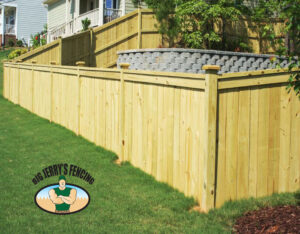

The choice between a wood fence and a chain link fence ultimately comes down to price, durability, and looks. While both are used to enclose property and define boundaries, they differ significantly in installation, maintenance, and lifespan costs. Chain link fences are cheaper to install and require very little upkeep, while wood fences offer more privacy and aesthetic appeal at higher costs.
This comparison will enable homeowners to appreciate the true value of each fence type and decide which one is the better long-term investment for their house and pocketbook.
The Role of Cost When Choosing a Fence
Cost is a significant consideration in fence selection. Homeowners want to balance price, durability, privacy, and looks. Price can be the first consideration, but the true value of a fence extends beyond the up-front cost. Installation, upkeep, and lifespan ultimately determine how much a fence will cost you in the long run.
For example, a chain-link fence might be less expensive to install but will not offer as much seclusion or visual appeal as a wood fence. A wood fence, on the other hand, gives you appeal and privacy but will demand ongoing maintenance. Being aware of these trade-offs will help you decide on a fence that best serves both your finances and your long-term dreams for your land.
Understanding Initial Investments
The initial investment in fencing varies with material quality, labor, and project scale. Typically cheaper, chain-link fencing is suitable for large areas and modest budgets. Wood fencing requires more expensive materials and skilled labor, thus increasing the overall installation cost. Homeowners should also factor in additional costs such as coatings, gates, and posts. Professional installation ensures long-term stability and security, even if DIY jobs can save you money. In the end, your upfront expense must reflect both utility and desired aesthetic value, helping you find a middle ground between property enhancement and cost savings.
Average Cost of Chain Link Fencing
Chain link fencing remains one of the most affordable and durable fence solutions available. About, $10 to $30 per linear foot, depending on finish and height of fence. The most popular and least expensive option is galvanized chain link, which offers satisfactory rust resistance. Vinyl-coated chain link offers a better appearance and improved weatherability, with black, green, or similar colors available. Labor costs are typically $5 to $15 per foot, depending on terrain and post depth. Homeowners may also enhance appearance with privacy slats or mesh covers at a slightly increased cost.
Average Wood Fencing Cost
The price of wood fencing depends on the wood and the type of fence. Generally, homeowners pay between $15 and $60 per linear foot. Pine fences are budget-friendly but require constant maintenance, while cedar and redwood offer greater strength and natural rot resistance. Fence styles like picket fences are cheaper than tall privacy fences. Sealing or staining offers additional protection at the expense of more expensive installation fees. Wood fences require trained labor and constant maintenance and are thus more expensive in the long term, but offer long-lasting attractiveness for that cost.
Improved for greater attractiveness. Homeowners who want to enhance their fences without replacement would discover these enhancements ideal. But wood fences enhance curb appeal and offer complete seclusion, so suitable for most home designs. Wood’s natural beauty can also enhance property value and create a cozier exterior ambiance. Wood remains the ideal—though more expensive—choice for those seeking both seclusion and long-lasting visual beauty.
Chain Link vs Wood Fence: Cost Comparison Breakdown
A chain-link vs. wood fence cost comparison identifies several key differences. Providing long-term value, chain-link fences are simpler and less costly to install and maintain. While more costly to install, wood fences offer the seclusion and natural beauty desired by many homeowners. While wood requires constant treatment to prevent rot or warping, chain link fences require minimal maintenance and have a lifespan of up to 30 years. In general, wood fences are worth the cost for their greater aesthetic and privacy value; chain link fences are the winner for their affordability and durability. The decision will depend on budget, use, and style.
| Category | Chain Link Fence | Wood Fence |
| Upfront Material Cost | $8–$15 per linear foot | $15–$35 per linear foot |
| Installation Complexity | Simple, quick setup | More labor-intensive |
| Durability/Lifespan | 20–30 years | 10–20 years |
| Maintenance Needs | Minimal | Requires staining/painting |
| Long-Term Ownership Cost | Low | Higher over time |
Lifespan and Replacement Costs
Chain link fences require little maintenance and can last 20 to 30 years; damaged areas are cheap to repair. Wood fences typically last 10 to 20 years, depending on the material and surroundings, but require more frequent repairs and replacement of buckled planks. Over time, wood fences can become progressively more expensive due to staining and weather damage. Chain link fences continue to function and hold their shape for decades. Although initial wood fence installation may enhance visual appeal, chain link’s longer lifespan often results in greater savings and consistent performance.
Aesthetics, Privacy, and Home Value
Choosing a fence mostly depends on appearance and privacy. Though chain-link fences offer little seclusion, slats, coverings, or vines can be added. Understanding the Initial Investment. The initial investment for fencing varies based on material quality, labor, and project size. Chain link fences are cheaper to start, so they are the best option for large plots and small budgets. Wood fences, however, require high-quality materials and skilled labor, which push up the overall cost of installation.
Homeowners also have to consider additional expenses for posts, gates, and coatings. While DIY is budget-friendly, professional installation ensures durability and safety in the long run. Finally, your initial investment should be responsive to functionality and desired aesthetic appeal, balancing cost and property enhancement.
Factors Influencing the Final Cost of Fences
Apart from the choice of materials, various elements influence the total cost of fence installation.
Fence height, land topography, approvals, and other factors influence cost. Steeper or uneven land, for instance, requires more work and materials. Gates or decorative elements increase overall costs. Also, regional price variations and local building ordinances can affect final quotes. Keeping these in mind guarantees a practical project budget. By approaching a reliable fencing expert, homeowners can obtain tailored quotes for their property’s specific needs, avoiding surprises at the time of installation.
Height, Terrain & Permits
The height of the fence will determine the overall material and labor cost. Taller fences will require more posts and stronger support, adding to the total expense. Sloping or uneven terrain makes installation more difficult, as installers must adjust post placement and configuration to account for the terrain. Most cities also require building permits for fences taller than a certain height, adding expense. Homeowners must check local regulations before installing a fence to avoid fines or project delays. Having these requirements ensures compliance, adequate budgeting, and a smoother installation process for chain link and wood fencing projects alike.
Gates, Removal & Additional Services
Including gates and additional services can significantly increase the final cost of fencing. Walk gates are quite inexpensive, while driveway gates and custom work inflate costs. Taking down an existing fence will also incur removal fees. These additional costs might include grading uneven ground or purchasing land surveys. Reputable fence suppliers like Big Jerry’s Fencing handle such logistics with ease, enabling precise installation and subsequent satisfaction. Ensuring that these additional services are addressed early on enables homeowners to plan their project better and avoid unexpected costs in the middle of the project.
Regional price variations
Labor costs, weather, and material availability all affect local variation in fence installation prices.
Seashore areas, for example, might opt for vinyl-coated chain link to withstand salt corrosion, while rain-prone areas may desire pressure-treated wood. Also, transportation and delivery charges vary by location. Consumers should inquire with local fencing professionals knowledgeable of specific issues to ensure accurate pricing. Regional variations facilitate realistic overall project cost projections and ensure that selected materials function effectively in local climates. Advantages and Disadvantages: Chain Link and Wooden Fences
Pros and Cons: Chain Link vs Wood Fences
Durable, inexpensive, and low-maintenance, chain-link fences offer no beauty or privacy. While costly to construct and requiring frequent maintenance, wooden fences offer design versatility, privacy, and natural attractiveness. Although individuals who prioritize aesthetics and privacy would prefer wood, homeowners looking for affordability and durability should consider chain link. Being aware of these pros and cons ensures that the final decision is suitable for your lifestyle, budget, and property design goals, thus providing the maximum long-term return on investment.
Which Fence Type Is Cheaper for Your Project?
The majority of homeowners opt for chain link fences as the more affordable and cost-saving option, especially for large estates or perimeter fencing. With their longevity and minimal maintenance, they are ideal for frugal buyers. However, wood fences are well worth the higher cost for the additional privacy, elegance, and added value they provide to the property. The best kind of fence is determined by your project’s needs—cost savings during installation or beauty. Getting professional recommendations ensures the fence chosen for you does a good job of budgeting and design.
Upgrade Your Fence with Help from Big Jerry’s Fencing
Big Jerry’s Fencing provides budget-friendly, top-quality fencing solutions that meet the particular needs of your property.
Whether you prefer the convenience of chain link maintenance or the warm elegance of wood fencing, our personnel provides expert installation and recommendations from start to finish. We offer free estimates, financing, and a complete range of materials, ranging from vinyl, aluminum, composite, and privacy fences. Choose Big Jerry’s Fencing for expert service, durable quality, and fences that last an eternity. Call us today to get your free estimate!
Looking to install a new fence? Contact Big Jerry’s Fencing today for a free quote and expert guidance on choosing the perfect fence for your property!