
Traffic noise, barking dogs, or noisy neighbors can ruin your time off at home when you just want to relax and unwind. Sometimes, there are issues you just can’t deal with and have to endure the noise. However, by using and placing a soundproof fence, you can greatly reduce unwanted noise, enhancing both privacy and peace of mind.
By choosing the appropriate materials, understanding the principles of soundproofing, and employing the right installation methods, homeowners can turn their backyards into peaceful oases. Whether you’re constructing a new fence or replacing an old one, learning how to soundproof it ensures your backyard becomes a peaceful haven, free from disturbing noises.
Understanding How Fence Soundproofing Works
Sound moves in waves that reflect off surfaces and travel through openings, allowing noise to pass even through seemingly solid fences. To soundproof a fence, it either blocks the sound waves or absorbs them. Materials that block sound, like heavy wood or concrete, prevent noise from traveling, while materials that absorb sound, like acoustic soundproofing panels or foam, absorb vibrations and eliminate echoes. Top considerations in soundproofing involve the material density of the fence, the fence’s height, and the airtightness of the building as a whole. With knowledge of these principles, homeowners can select materials and styles that achieve maximum noise reduction, ensuring a quiet and secluded outdoor area.
Key Principles of Soundproofing a Fence
Soundproofing is dependent upon three fundamental principles: mass/density, height, and airtightness. The first design principle, mass or density, ensures the fence is solid enough to effectively stop noise, particularly low frequencies like those from traffic. The second principle is height, as higher fences stop direct sound waves from reaching your backyard, thereby lowering overall noise levels. The third principle, airtightness, ensures that there are no gaps or seams through which sound can escape, greatly reducing the fence’s effectiveness. This convergence of these principles means that not only is the noise blocked, but privacy and value are also added to the property, producing a yard atmosphere that is much quieter and pleasant.
Mass/Density
The mass of the fence material is a great factor in verticality. Massive and solid materials, such as thick wood, composite panels, or concrete, occupy more space and have greater density than lighter and hollow materials. The use of multiple layers, along with Mass Loaded Vinyl (MLV), greatly enhances the soundproofing capacity of the fence, particularly at low frequencies such as those from road traffic or machinery. A material such as Western Red Cedar is both heavy and tough, making it an ideal choice for homeowners who want both beauty and usefulness. Suppose you are prudent in selecting materials with good mass. In that case, you will be able to erect a fence that silences noise, creating a peaceful environment for your family and an outdoor space that looks great.
Height
Height is the fundamental and most effective factor in noise reduction. The very sight from the noise source to the yard is blocked by fences, which are, in general, six to eight feet high or higher, and this leads to a great reduction in the perceptibility of the sound. Even a slight increase in height can make a remarkable difference in the noise level of your outdoor space. It is vital to take into account the local zoning laws and HOA regulations when planning a fence, as they may restrict the maximum height allowed. Height, combined with thick materials, ensures your fence serves as both a sound barrier and a privacy provider. An adequately tall soundproof fence outside provides both a barrier and a cozy, secluded area free from noise.
Airtightness
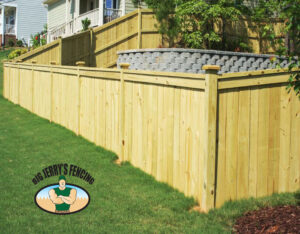
Even the densest, tallest fence will not stop sound waves from penetrating through gaps, seams, or overlaps in the fence itself. Sound waves can easily pass through even small holes in the barrier. To maintain airtightness in the fence, attention to detailed installation is typically required, including caulking joints, ensuring planks are overlapped properly, and possibly installing additional materials like MLV to cover potential gaps and leaks. This idea of airtightness becomes extremely important when constructing a soundproof wooden fence, because small, open gaps in between boards allow noise to sneak through into your backyard. The fence must maintain airtightness along its entire length to effectively reduce sound, allowing you to enjoy your backyard peacefully without intrusive outside sounds.
How to Block Traffic Noise with a Fence That Works
When planning a fence for noise reduction, it’s important to consider both the placement and the proper construction method. The first step is to survey and measure your yard to help you determine where the fence should go. Take good measurements. It is also wise to check local codes and HOA rules to ensure that your construction complies with the regulations of your governing authority. When digging the hole for the post, it’s also a good idea to contact your utility company to avoid damaging any underground lines.
Once you have a plan in place, it is very important to build the fence properly. The posts should be deep enough into the ground, and the panels need to be attached securely to properly ensure the durability of the fence and limit gaps where noise can travel through. In combination with the proper layout, adding airtightness to your fence will be critical in stemming the noise from an outside source.
Planning and Layout
Before building a sound wall, it is important to go through the planning and layout process; this will determine both the level of effectiveness and whether you are in compliance or not. First, pick the best spot in your yard. You will want to consider where the noise comes from loudest and which area needs the most privacy. Measure the yard accurately, then use stakes or string to outline the fence line for better visualization. Be sure to review local building codes for regulations regarding the height, material, or placement of your fence. Be sure to contact utility companies to find out about any underground lines before you dig. At the end of the day, this planning and layout process is really only going to need simple tools: a tape measure, stakes, string, level, and marking paint to accurately mark your fence.
Installing Posts & Panels
The fence’s foundation plays a great role in determining its soundproofing capacities. It is advisable to position the posts in concrete at a depth that can withstand various forces, including wind, weight, and natural settling. The panels must be tightly secured to one another for noise reduction to be effective. Proper corners, gates, and joints not only impede noise but also vibrations, thus prolonging the overall life of the fence. A strong foundation not only provides the fence with soundproofing but also its longevity as it prevents warping, leaning, or any other issues that might compromise its effectiveness. Reliable posts and panels mean a strong structure for a soundproof fence that can last.
Adding Soundproofing Elements
Add soundproofing elements after building the fence. Install Mass Loaded Vinyl (MLV) behind panels to block noise. Use acoustic foam or fiberglass for more sound absorption. Caulk all seams and gaps to ensure airtightness. Apply paint, stain it, or another protective materials to protect the fence from the weather and prevent cracks. These extra efforts reduce noise and extend the life of a fence, making any backyard fence effective with proper planning and materials.
Best Fence Materials for Soundproofing
Select the right material to reduce noise. Use cedar for high density, long life, and natural decay resistance. Choose redwood for durability and appearance. Opt for heavy, low-maintenance composite materials to block traffic noise. Consider vinyl if combined with MLV or other soundproofing layers. Use concrete for best results, though it costs more. The right material ensures your backyard is both functional and attractive.
How to Make an Existing Fence Soundproof
Upgrade existing fences to reduce noise without full replacement. Install Mass Loaded Vinyl or acoustic blankets behind panels to block sound. Seal holes with foam, caulk, or weather stripping to stop noise leaks. Add shrubs and trees to absorb and scatter sound naturally. In some cases, consider adding a second fencing layer for an enhanced barrier. Retrofitting is often cost-effective and transforms simple fences into strong noise barriers, creating quieter outdoor spaces.
Maintenance & Longevity Tips
Maintain your soundproof fence regularly. Inspect panels and posts for damage and fix problems swiftly to prevent sound leaks. Reapply weatherproof sealants to protect against moisture and warping. Keep caulking intact and remove debris or overgrown plants that could weaken the structure. Ensure the fence remains airtight, especially when made of wood. Maintaining the fence properly over time can increase its lifespan and keeps your backyard peaceful.
Cost of Soundproofing a Fence
The cost of soundproofing a fence depends on materials, labor, and whether it involves retrofitting a new or existing fence. Materials such as wood, vinyl, or composite panels vary in cost, with denser materials usually being more expensive. Mass-loaded vinyl and acoustic panels contribute to material costs but are highly efficient at their job. Labor charges can be high if professional installation is needed, but doing it yourself can save money, provided you have the necessary attention to detail. While the initial investment may be expensive, a soundproof fence pays dividends over time by muting noise, enhancing privacy, and making the backyard area more pleasant.
Mistakes to Avoid When Soundproofing a Fence
Self-inflicted errors can diminish a fence’s sound-blocking power. Gaps between panels or seams allow sound to escape, while hollow, thin, or light materials have minimal impact. Constructing a fence that is too low does not obfuscate the line of sight to the source of the noise. Failure to comply with local regulations or HOA rules can lead to fines or mandatory modifications, which could affect performance. Avoiding these traps during planning and construction ensures that homeowners’ soundproof fence panels perform as intended, serving as a long-term noise solution for the backyard.
Want a Quieter Backyard? Big Jerry’s Fencing Can Help
Achieving a quiet backyard requires the right materials, design, and installation skills. At Big Jerry’s Fencing, we do all the work for you when it comes to choosing the right materials and custom noise-blocking fences. In addition to new construction, we can retrofit an existing fence to make it soundproof. Our team of experts minimizes gaps and spaces, maintains proper density, and finishes it off correctly so that an optimal sound wall is created. Along with free estimates and financing options, we provide a vast choice of materials, from wood, vinyl, composite, and concrete fences. We can help you create a quieter backyard space in a simple, effective, and joyful way. Contact Big Jerry’s Fencing and start enjoying a more private, quiet, and comfortable backyard space today!
Are you ready for a more private, quiet backyard? Call Big Jerry’s Fencing today to get professional advice, quality materials, and professional installation on your soundproof fence. We provide free estimates and have financing options to fit any budget. Get started today! Call or request a free estimate from Big Jerry’s Fencing and transform your outdoor area into the quiet oasis you deserve!