A deer in the distance can feel magical. A deer in your garden? Not so much. One evening it’s a lush green paradise. The next morning, flowers are stripped, vegetable beds are bare, and branches are nibbled to twigs. The sad truth is that deer are determined, agile, and clever.
Why Deer Fences Work Better Than Anything Else
Deer can leap higher than most people imagine; 7 feet without much effort! They can also push through weak barriers, squeeze through loose gaps, and dig under where space allows. If your goal is to stop them for good, the fence has to be strong, high, and well-designed.
1. Tall Wire or Mesh Fences
For serious deer problems, height is your best friend. An 8-foot fence is considered the gold standard. Some areas with heavy deer activity even go as high as 10 feet.
Best materials:
- Welded wire
- Heavy-duty metal mesh
- High-tensile wire systems
Why it works: Deer may be agile, but they’re not superheroes. A tall, solidly anchored fence removes their biggest advantage—jumping.
2. Solid Privacy Fences
Sometimes it’s not about stopping a jump—it’s about stopping curiosity. Deer are far less likely to leap over a fence if they can’t see what’s on the other side.
Best materials:
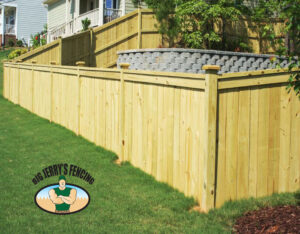
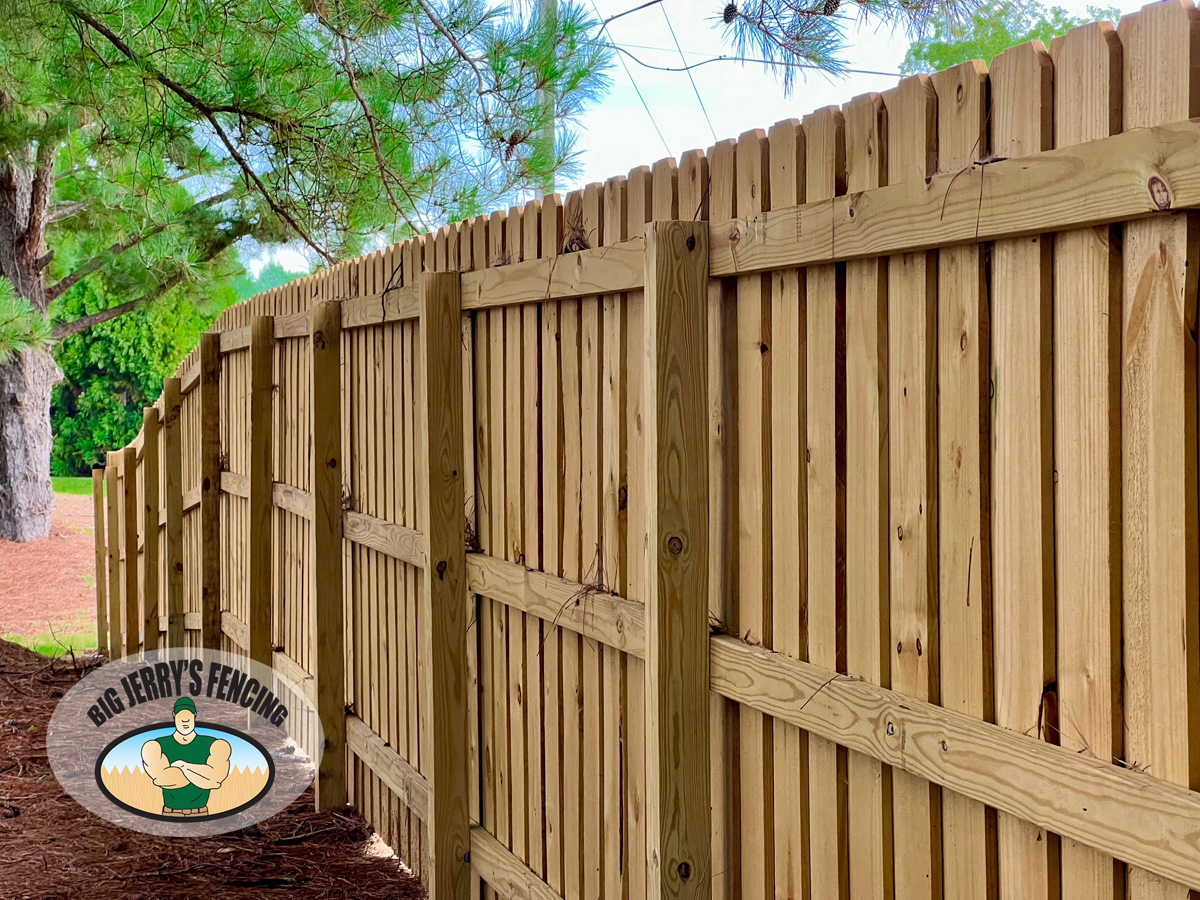
- Wood privacy panels
- Vinyl panels for low maintenance
Benefits:
- Blocks the view of tempting plants
- Doubles as a privacy screen for you
3. Double or “3D” Fences
Here’s a trick that plays with a deer’s mind. Instead of one tall fence, use two shorter fences set a few feet apart.
Setup:
- Two fences, each 4–5 feet tall
- Space them 3–5 feet apart
Why it works: Deer struggle with depth perception. A double fence feels risky because they can’t judge if they’ll land safely between or beyond the two barriers. Most won’t attempt it.
4. Electric Deer Deterrent Fences
Electric fencing isn’t about brute strength—it’s about teaching a lesson. A mild shock makes deer think twice about returning.
Options:
- Low-voltage single or double strands
- Electrified netting for seasonal use
Why it works: One unpleasant encounter is often enough to keep them away.
5. Combination Fencing
Sometimes deer aren’t the only problem. Rabbits, groundhogs, and other critters may also be after your garden. A combination fence tackles them all.
Example:
- Short chicken wire at the base to stop small animals
- Taller mesh or panels above for deer
The Bottom Line
A deer fence is protection for your hard work. Once the fence is in place, the stress fades. Your garden becomes yours again!