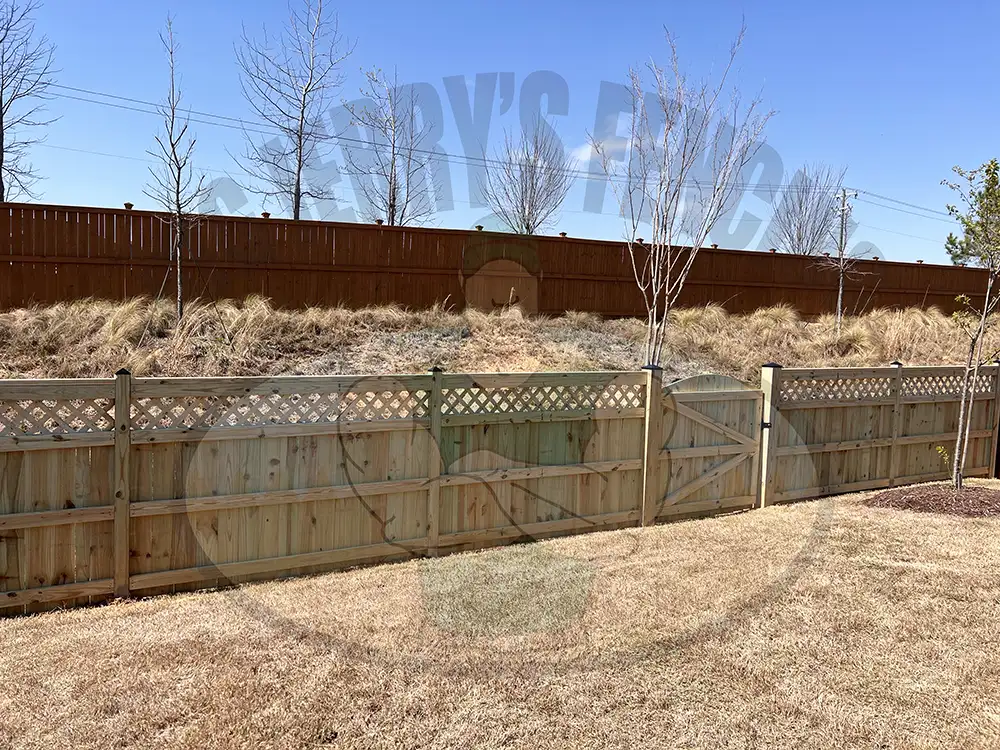
A great fence does more than mark a property line – it makes a statement. It’s the first thing guests notice and maybe the last thing storms can shake. Built correctly, it delivers strength, security, and beauty in perfect balance. But cut corners, and that same fence becomes a costly mistake. Invest once, build right, and enjoy peace that lasts for years.
Before the first post touches the ground, a few silent mistakes can quietly set a fence up for failure. Many fences that lean, warp, or crumble early don’t fall apart because of bad materials but because of poor planning. It begins long before the first hole is dug – in the details most homeowners overlook. Maybe the soil wasn’t tested, the property lines weren’t marked, or the slope of the yard was underestimated.
Strength Come with Strategy
A fence’s strength isn’t just in the wood, vinyl, or metal, it’s in the thought behind it. Fence durability starts in the details, precise post spacing, correct depth, the right fasteners, and awareness of the wind’s force. These technical choices define whether your fence thrives or fails. A truly strong build respects the ground it stands on, factoring in drainage, shifting soil, and climate for a design that’s built to endure.
A rushed plan, however, creates a fence that looks fine for a season but surrenders to time far too soon. The smartest fence builders know: precision before performance. A fence isn’t truly built with hammers and nails, it’s built with foresight, patience, and respect for the ground that will hold it steady for decades to come.
So, before the digging begins, learn about these top 5 Mistakes to Avoid Before Your Fence Installation. These aren’t the usual “check your property line” reminders you’ve read a hundred times, these are the real deal, the behind-the-scenes blunders that can quietly sabotage your project before the first post stands tall. Think of them as the hidden traps that turn a weekend project into a year-long regret.
It’s not the big storms that ruin fences, it’s the small things people skip. Maybe the soil wasn’t tested, or the drainage plan got ignored. Those tiny decisions decide if your fence becomes your home’s pride or your biggest regret. Many homeowners get lost in design choices, picking colors and styles, forgetting the real magic happens below the surface.
The secret to a strong fence isn’t just in what you build, it’s in what you plan. Every mistake below the ground has a way of showing up on top. So before you start digging or calling in help, hit pause and learn the biggest “don’ts.” The fences that survive storms and stand for years aren’t lucky – they’re well-planned. A few smart steps now can save your fence, your wallet, and your peace of mind.
1. Building First, Asking Later
Permits and property lines sound boring until they ruin your fence. Many fences are built first and questioned later, and that’s exactly where things go wrong. Imagine finishing a beautiful fence only to learn that half of it sits on your neighbour’s land.
Not fun and not fixable without tearing it down. In commercial or HOA areas, a missing permit or ignored zoning rule can stop construction cold.
Professional advice:
- Check your local regulations before buying a single board.
- Confirm property lines. A quick survey now can save a lawsuit later.
2. The Crooked Fence Syndrome
A fence should stand straight and proud. But many end up looking like they’ve had one too many windy nights, all because the layout wasn’t mapped correctly.
It’s easy to rush the setup. A few inches off here, a misplaced post there and suddenly, you’ve got uneven panels and gaps where privacy should’ve been. Slopes, tree roots, and dips make it even trickier. Once the digging starts, mistakes multiply fast. And by the time you notice, fixing them means starting over.
Professional advice:
- Mark your fence line with string before you dig.
- Measure twice, dig once. Every inch counts.
- Set the corner and gate posts first — they guide the rest.
- Walk the layout. Check for uneven ground or obstacles early.
A straight fence doesn’t happen by luck. It happens by planning.
3. When Beauty Backfires
Fences are as much about looks as they are about function. But choosing one for its beauty alone can be a trap. Because every material has its own story — and its own weaknesses.
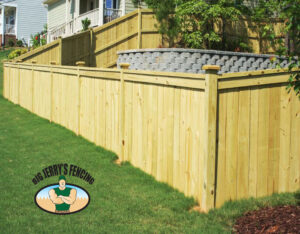
Wood fences, for example, offer that classic warmth. But if they’re left unsealed or unpainted, rot and termites will move in faster than you think. Whereas, vinyl fences look crisp and modern, but they expand and contract with the weather.
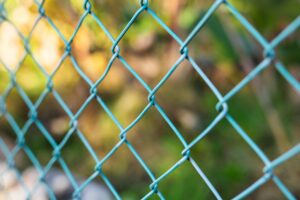
Chain link fences are tough and budget-friendly but lack privacy unless slats or screens are added. On the other hand, aluminum and wrought iron bring elegance, yet rust doesn’t forgive neglect.
Professional advice:
- Think maintenance. Will you oil, paint, or clean it regularly?
- Quality matters. Low-cost materials might save money today but fail tomorrow.
4. The Backbone Mistake
The secret to a long-lasting fence isn’t the panels — it’s the posts. They’re the backbone of the entire structure. Yet, they’re often the first place corners get cut.
Posts buried too shallow or set without proper concrete simply won’t hold. The first heavy wind or rainy season will have them leaning like tired soldiers. Once that happens, the entire fence follows.
Professional advice:
- Posts should go at least one-third of the fence’s total height into the ground.
- Use concrete. Dry soil won’t keep things steady.
- Don’t rush alignment — each post must be plumb before the concrete sets.
- Maintain even spacing to avoid sagging panels.
5. The DIY Trap
DIY fence installation looks simple: dig, place, screw, done. But in reality, fencing demands accuracy most weekend projects don’t. A slightly uneven post means a gate that won’t close right. A small tilt becomes a major lean over time. And a panel cut just half an inch short? That’s a weak spot waiting to fail.
A DIY fence may be feasible for small backyards, provided that it is constructed with caution and investigation. However, larger areas, hills, and security-sensitive regions are frequently better left to professionals.
Professional advice:
Here’s some professional advice: passion builds motivation, but precision builds fences. Knowing your limits isn’t weakness, it’s wisdom. A steady hand and trained eye matter far more than pure excitement when each cut, hole, and alignment must be exact. Don’t let impatience ruin good work. Fencing rewards those who move with intention. One hasty decision, a crooked post, a shallow dig, or a misaligned rail can undo an entire day’s effort. For projects that stretch beyond your experience, especially commercial or custom builds, call in experts who do this daily. Professionals see what most homeowners miss – soil shifts, drainage patterns, and structural stress points. Yes, it’s an investment, but it’s also insurance against future repair costs. The smartest move isn’t doing it all yourself – it’s knowing when to bring in mastery.
- Know your limits. Skill and precision matter more than enthusiasm.
- Don’t rush. A single misstep can undo hours of work.
- For complex or commercial projects, get expert help. The long-term cost is lower than fixing a poor job later.
Final Verdict
A fence should do more than mark the edges of a property, it should provide you the privacy and need security. It’s where security meets beauty, and practicality meets pride. When you plan carefully, your fence becomes a reflection of who you are strong, dependable, and timeless. Every board you align, every post you set, adds to the foundation of something important. Rushing through the process or skipping details may save time now, but it steals longevity later so be watchful. Avoid those early errors and let professionals handle your fence installation project. The main purposes of fences are usually to protects your family, your pets, your memories and even your peace of mind. It should feel like a natural extension of your space, a silent home feature that adds both charm and comfort. Build fences with intention, not impatience. Because when you do, you’re not just building fences, you’re creating a legacy that stands firm through every season life brings.
Choose Big Jerry’s Fencing for Fence Installation
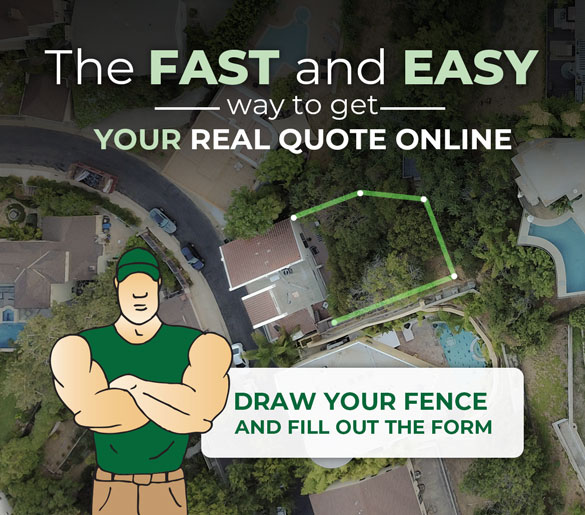
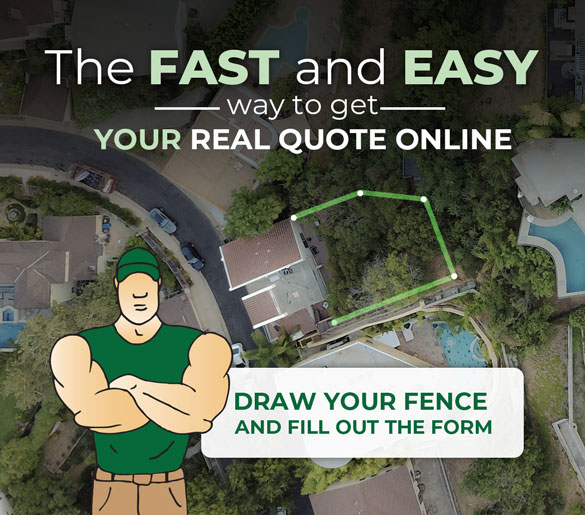
When you want a fence done right -one that protects, beautifies, and lasts, Choose Big Jerry’s Fencing. With more than a decade in the business, We’ve refined the art and science of fencing so you don’t have to worry about shaky posts or regrettable shortcuts. Our “Draw Your Fence” tool makes it easy: you sketch or map your fence layout, get transparent estimates with detailed sketches, and see clearly how each style wood, aluminum, vinyl, chain-link or even SimTek composite will look on your property. The installation crews are experienced, punctual, and dedicated to getting things done right the first time. Big Jerry’s doesn’t just sell fences, we guide you through decision points: what material to pick, how to align with your terrain, and how to meet any code or HOA requirements. And if financing is a concern, We’ve got flexible solutions so you can achieve quality without sacrificing your budget. When you choose Big Jerry’s, you get more than a boundary, you get peace of mind, style, and a fence that becomes a welcome part of your home’s landscape.
Need help from the professionals? Contact us today!