A new fence can change the whole feel of a home! Everything seems very private and personalized. However, before that dream takes shape, there’s something every Charlotte homeowner must learn super fast: rules!
Fence permits, city codes, and HOA approvals – they’re not the fun part, but they matter. Skip them, and that brand-new fence might have to come right back down. Let’s walk through what you need to know before you pick up that shovel. Paperwork isn’t glamorous, but it’s necessary. Fence permits, city codes, and HOA rules in Charlotte protect your investment. Skip them, and your dream fence could come down. Know your height limits, materials, and easement restrictions. Get your zoning or building permit, secure HOA approval if needed, and build with confidence. Proper planning means you won’t need HOA to order you to down your fence.
Fence Permit & HOA Rules in Charlotte, NC – Quick Guide
- Charlotte front yard fences max out at 5 feet; backyards: 6–8 feet. Corner lots must follow lower heights on street sides.
- Keep driver sightlines clear at intersections; sight triangles matter.
- Zoning permits are needed for ≤6 feet; building permits for taller fences. Submit online with property layout.
- Free Fence & Wall Certificate required if along a street or sidewalk.
- HOA rules may be stricter: backyard height, front yard design, and banned materials.
- ARC approval can take 1–2 weeks; don’t build without it.
This summary is general informational; for detailed rules and updates, refer to the official Charlotte city website.
Charlotte’s Fence Rules at a Glance
In Charlotte, fences are welcomed but they’re watched. The city cares about height, materials, and where the fence stands.
- Front yard fences are usually capped at 5 feet.
- Backyard fences can reach 6 to 8 feet, depending on zoning.
- Corner lots are treated as double front yards, so lower heights apply on both street sides.
Blocking a driver’s vision at a junction is never permitted. Fences must be clear of sight triangles to keep motorists and pedestrians safe. Furthermore, fences that span drainage or utility easements are restricted. If stormwater or subterranean lines are disturbed, the fence must be moved, not the city’s pipes!
The city supports fences made of durable materials such as wood, vinyl, aluminum, masonry, or wrought iron. Chain links are accepted in some zones but not all. Barbed wire and sharp-topped fences are not permitted in residential zones.
Do You Need a Permit? Most Likely, Yes.
Before installation, a permit or certificate must be secured. Most fences need one.
- A zoning permit covers fences up to 6 feet high.
- A building permit is required for any fence over 6 feet.
Applications can be submitted online through Charlotte’s Accela system or Mecklenburg County’s e-permitting site. A simple site sketch showing property lines and fence placement is all that’s needed.
If a fence runs along a city street or sidewalk, a Fence and Wall Certificate must be obtained from the Charlotte Department of Transportation (CDOT). It’s free, quick, and confirms that visibility and height meet standards.
Permits are usually approved in under ten business days. Once cleared, construction can begin. Skipping the paperwork can lead to stop-work notices — and no one wants a half-built fence waiting for approval.
HOA Rules: The Hidden Deal-Breaker
For many Charlotte neighborhoods, the HOA’s word is law. And their goal is uniformity. Therefore, neighbourhoods stay neat because rules are enforced. Those rules often say:
- Height: Usually no higher than 6 feet in backyards.
- Front yard style: Decorative only; picket, aluminum, or wrought iron.
- Material: Chain link and unfinished wood are often rejected.
Applications usually go to the Architectural Review Committee (ARC). Plans, photos, or drawings are requested. Approval can take a week or two, and one must wait for it. Because fences built without HOA consent can be fined or removed.
City vs. HOA: Who Has the Final Say?
Sometimes both agree. Other times, they clash.
- The city might allow an 8-foot fence, but the HOA limits it to 6.
- The city might approve a chain link fence, but the HOA bans it completely.
In these cases, the HOA’s rule overrides the city’s. However, the opposite can happen too. If the city’s safety code is stricter, it takes priority. The best approach? Seek HOA approval first, then apply for city permits. This order saves time and prevents redesigns later.
Easements, Corners, and Other Caution Zones
Some properties come with invisible boundaries. Easements and sight zones fall into that category.
- Drainage areas: Fences can’t block stormwater paths.
- Utility easements: Fences built over them can be removed if access is needed.
- Corner lots: Fences taller than about 2.5 feet aren’t allowed within visibility zones near driveways or intersections.
Where Homeowners Slip Up
Fence projects fail for simple reasons — usually paperwork or placement. The most common missteps include:
- Building without a permit or HOA approval.
- Installing on a neighbor’s property line.
- Blocking drainage paths or utility lines.
- Using banned materials or colors.
- Ignoring sightline rules on corners.
Each mistake can lead to costly removals or redesigns. Taking a few days for proper approval can save weeks of frustration.
Popular Fence Types in Charlotte
In Charlotte, fences are the statements. Picture a warm wood fence wrapping a backyard in classic charm, or smooth vinyl panels glinting in the sunlight, worry-free and HOA-approved. Imagine wrought iron gates announcing elegance at the front yard, while composite SimTek fences quietly guard privacy with durable strength. Even chain link has its place, frugal yet functional. Each material tells a story, blending safety, style, and personality. Charlotte homeowners don’t just build fences, they craft statements that honor neighborhood rules while reflecting their own vision.
Charlotte’s mix of suburban calm and modern charm reflects in its fences. The favorites include:
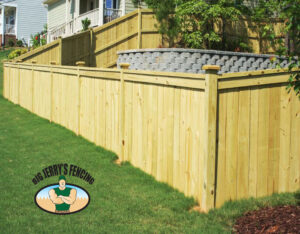
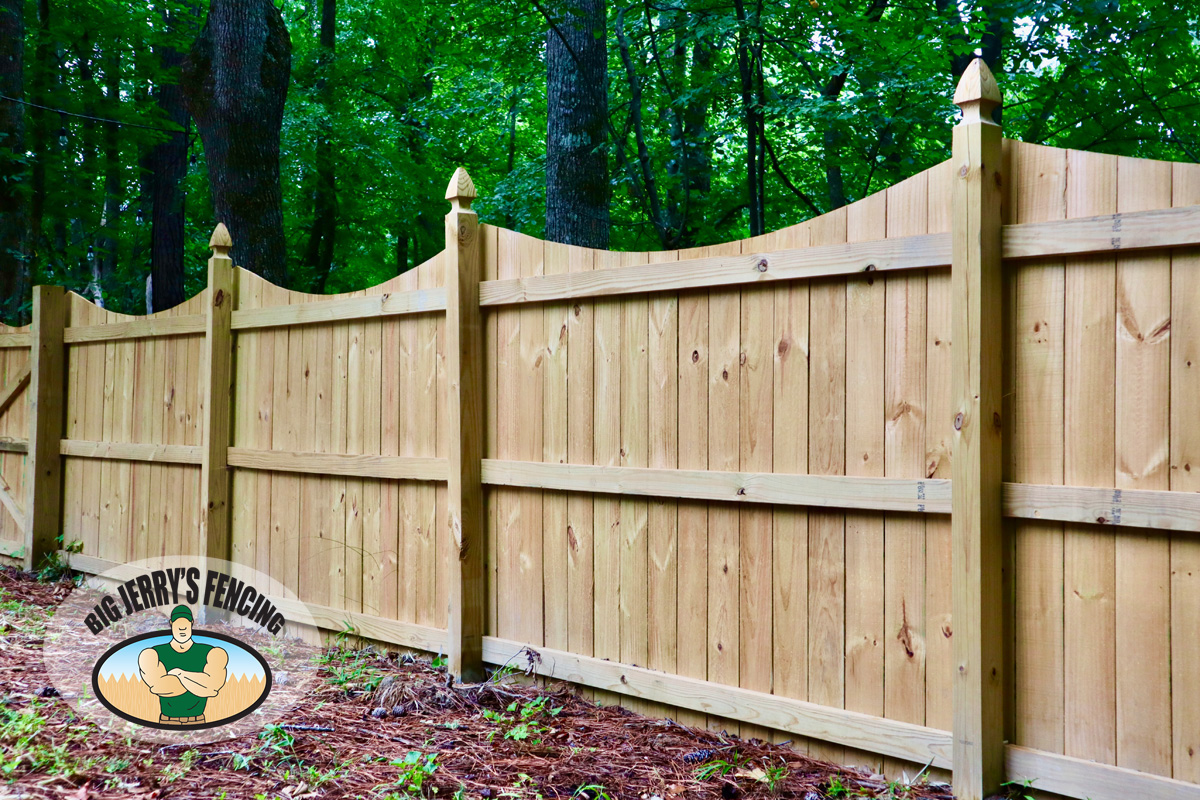
- Wood: Classic, private, and affordable. Needs maintenance but adds warmth.
- Vinyl: Smooth, easy to clean, and HOA-friendly.
- Aluminum & Wrought Iron: Elegant and strong — perfect for front yards.
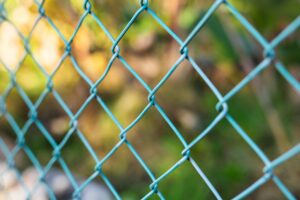
- Chain Link: Budget-friendly, but often restricted by HOAs.
- Composite (SimTek): Durable and low-maintenance for privacy areas.
Each material tells a story. Choosing the right one is about compliance, durability, and neighborhood harmony.
Actionable Summary
With permits, HOA approval, and property restrictions sorted, the next step is proper planning:
- Measure property lines.
- Choose materials suited to climate, HOA, and style (wood, vinyl, aluminum, wrought iron, composite, chain link).
- Avoid easements, drainage, and corner sightlines.
- Hire experienced installers. Hint: Hire Big Jerry’s Fencing
- Keep permits and approvals documented.
Why Big Jerry’s Fencing for Fences Installation in Charlotte, NC
Big Jerry’s Fencing offers full solution, For us installation is more science than guesswork. Posts are set to precise depths in reinforced concrete, taking soil type and drainage into account. Each panel is leveled and secured with professional-grade hardware. Material choices like vinyl, wood, aluminum, wrought iron, and composite are for durability, and HOA compliance. Every project starts with accurate site mapping, HOA approvals, and city permits to make sure everything stay legalize. Our fence installers are professional, timely, and thorough, installing gates and supports with technical precision while maintaining a clean workspace. From post depth to panel alignment, we give attention to everything. The outcome is a fence that is secure, compliant, nice, and built to last. With Big Jerry’s, homeowners gain more than a boundary—they gain confidence, expertise, and a long-term investment in safety, beauty, and property value.
Big Jerry’s transforms fencing from a simple boundary into a seamless blend of art and engineering. Your yard deserves a fence that feels as curated as your home. What makes Big Jerry’s Fencing better than others is that we merge technical precision with aesthetic finesse: deep-set posts, level panels, and perfectly aligned gates create a flawless boundary. Materials—from elegant wrought iron to sleek vinyl—are chosen to match your style while adhering to HOA rules and city codes. Beyond installation, we provide guidance on maintenance and longevity, so your fence remains beautiful and functional for years. With Big Jerry’s, homeowners don’t just gain a fence—they gain a statement piece, a private retreat, and a lasting investment in their home.
Final Word
At Big Jerry’s Fencing, all these steps are handled for clients. HOA documents, city drawings, and permits are all managed before construction begins. Homeowners stay informed, without getting lost in red tape.
Big Jerry’s Fencing takes the hassle out of fence installation. HOA forms, city plans, and permits are carefully prepared and submitted before construction starts at additional cost if needed. Homeowners are kept in the loop with updates and guidance at every stage, making sure of compliance without confusion. By managing all approvals and paperwork upfront, Big Jerry’s ensures a smooth installation process, allowing clients to enjoy the transformation of their property while knowing their fence meets every requirement.
Dream fences aren’t just made naturally, they’re engineered. Big Jerry’s Fencing delivers flawless style and unmatched durability for every property. From front yard charm to commercial strength, your vision stands tall. With us, your dream fence isn’t a plan—it’s reality. Call us today for fence installation on your property. We also offer consultations. Call us!